Tourist visa in Spain
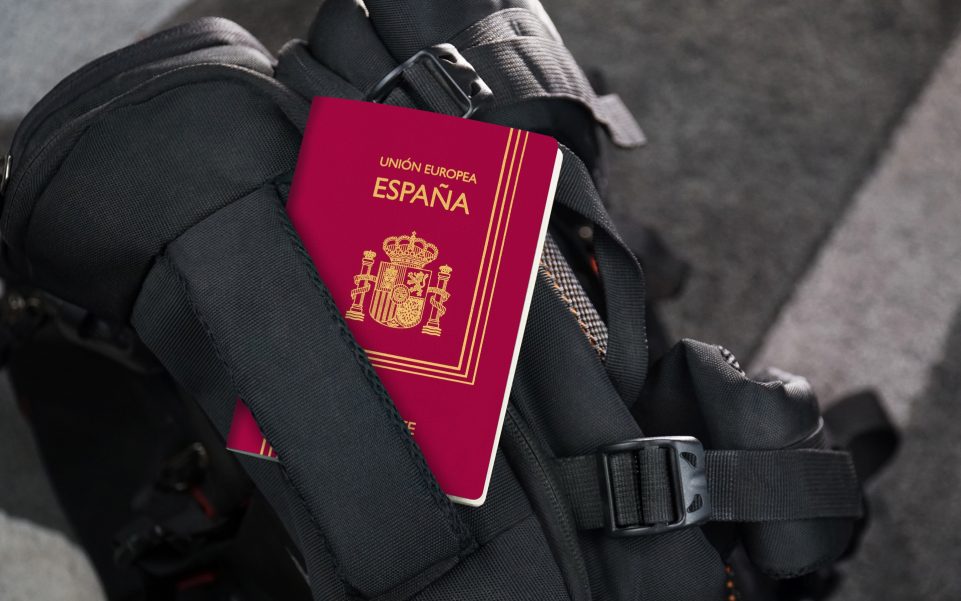
A tourist visa to Spain will open up a country with a rich cultural heritage, excellent facilities for a comfortable holiday, a mild climate and superb cuisine. The most popular destinations are Barcelona, Madrid, Valencia and Seville, as well as the Balearic and Canary Islands.
Citizens of countries with a visa-free regime with the Schengen Area do not require a Spanish visa. These privileges apply to residents of EU and EFTA (European Free Trade Association) member states. The main conditions are that the duration of the trip does not exceed 90 days within any 180-day period, and the purpose of the visit is tourism, private or short-term business meetings.
Legally, this is a Schengen Category C visa. It permits short-term visits but does not grant the right to live in the country, work or conduct business. To apply, you must visit the Spanish consulate or visa centre. Applicants for a Spain tourist visa must comply with standard regulations. Failure to do so may result in the refusal of a Spanish visa. The average processing time is 1–2 weeks, but delays do occur. These usually depend on the country of application and the consulate’s workload.
How to obtain a visa for Spain
The main requirements for obtaining a visa are a confirmed purpose of travel, financial solvency, valid health insurance and proof that you will return home after your visit.
Key requirements for a Spanish visa:
- Passport. It must be valid for at least 3 months beyond the expiry date of the visa or your planned date of departure from the Schengen area. It must have at least 2 blank pages.
- Proof of the purpose of the trip and itinerary. A hotel booking, an invitation from the host, a pre-booked tour or similar documents will suffice. If you require a Schengen visa for Spain for purposes other than tourism, you will also need to provide supporting evidence. An official at the consulate, embassy or visa centre may ask to see return flight tickets, an itinerary, a hotel booking or a package tour contract.
- Proof of financial status. You need to demonstrate not your income level, but that you have sufficient funds for the specific trip. While immigration legislation does not specify formal requirements, a practical guideline is at least €100 per day per person. You can provide proof of this through a bank statement, proof of income, a sponsorship letter, or other similar documents.
- Health insurance. The minimum cover amount is €30,000.
- Proof of strong ties to your country of citizenship or residence. It is helpful if you can demonstrate and prove that you have a permanent job or are in full-time education, own property, or have family ties. In general, this means commitments that cannot be abandoned.
Entry requirements for Spain
When planning your trip, it is important to understand which entry rules apply to you. These depend on your nationality, the purpose of your trip and whether a visa is required.
A visa-free regime means that citizens of certain countries do not need to apply for a visa for short-term trips to Spain. It usually applies to tourist, business and short-term private trips and is limited to a stay of up to 90 days within any 180-day period. The visa-free regime does not grant the right to long-term residence, work or study. This requires a separate permit or a visa of the appropriate type.
The standard visa regime applies to citizens of countries that are not eligible for visa-free entry. In this case, a Schengen Type C visa must be obtained in advance for the trip; this is issued for specific purposes and for a limited period of stay.
The simplified visa regime is not a separate type of entry, but rather special conditions for visa processing between countries. It may involve a reduced list of documents, a lower consular fee or a simpler application procedure, provided that a relevant agreement is in place between the states.
Validity of the visa, length of stay
The validity period of a Spanish Schengen visa is the period during which you may stay in the Schengen Area, subject to a limit on the number of days. The duration of stay is the maximum number of days you may spend in the Schengen Area within the visa’s validity period. For example, 90 days within a 180-day period. It is possible to obtain a multiple-entry visa, which is issued for 1 year or more, but the eligibility requirements are somewhat stricter.
The standard rule, applicable in most cases, is no more than 90 days within any 180-day period. The 90/180 rule does not mean that you will have 90 days for a trip or visit to each country. This is a general limit on the duration of stay, not just in Spain, but in all countries within the Schengen Area.
Calculation rules:
- a rolling 180-day period is taken into account, not a calendar six-month period;
- days of entry and exit are counted in full;
- the duration of trips to different countries within the Schengen Area is added together;
- a Schengen visa for Spain may be issued, for example, for 1 year or 5 years, but the 90/180 rule applies in all cases;
- the number of entries into the country depends on the type of visa; it may be single-entry, double-entry or multiple-entry.
Example. You obtained a Spanish Schengen visa and spent 60 days in Spain, followed by 20 days in Italy, after which you returned home. In total, you used 80 days, so you have 10 days remaining within the remaining 180-day period.
How to apply for a Spanish Schengen visa
The procedure is carried out at the consulate or visa centre in your country of residence. The rules are standardised but may change. It is therefore important to ensure you have taken the current requirements into account before your visit.
How to obtain a visa for Spain:
- Prepare your documents. The minimum set includes your passport, application form, insurance, proof of the purpose of your visit, and financial evidence. A consulate or visa centre official may ask for additional documents, but this does not happen very often.
- Book an appointment. You can choose the date that suits you best. Check the exact opening hours on the official website of the consulate or visa centre.
- Submit your application. If your documents are in order, you will be asked to provide biometric data (fingerprints). You will also need to pay a non-refundable consular/service fee.
- Wait for a decision. The minimum processing time is 5–10 days; during busy periods, public holidays and the holiday season, the wait may be slightly longer. The processing time is calculated from the date the full set of documents is submitted; if additional supporting documents are requested, this period will be extended. If your application is approved, a corresponding stamp will be placed in your passport.
The main reasons why you might be refused entry to Spain are often unrelated to the documents you’ve submitted, although this factor is also a possibility. Usually, a refusal is due to the consular officer’s doubts that the stated purpose of the trip matches the actual one, insufficient financial means, a history of visa violations, or weak personal ties to the country of permanent residence.
How much does a tourist visa cost
The visa application fee is €80. The need for additional expenses and their amount depend on your specific situation.
Possible costs:
- visa centre services — €15–€30;
- photographs, document photocopying, translations;
- health insurance, if you do not have your own — €10–€30.
Your rights and obligations
A Type C visa is a standard short-stay entry permit for any country in the Schengen Area. It grants the holder a number of rights, but also imposes certain obligations and restrictions. Do not commit any immigration offences, even if they may seem minor at first glance.
Key rights:
- to stay in Spain and other Schengen countries for up to 90 days within a 180-day period;
- travel freely within the Schengen Area;
- explore the country, relax and visit places of interest;
- visit friends or relatives;
- take part in short-term non-commercial activities.
However, you may not work, earn an income, conduct business, exceed the permitted length of stay in the country, or change the basis for the issue of your tourist visa to Spain. Typical uses for such an entry permit include travelling around the country, meeting friends or relatives, liaising with business partners, attending conferences, and visiting other Schengen countries.
Do you need further information on applying for a tourist visa to Spain? Contact our specialists and tell them what is on your mind. We will definitely help you!
FAQs about tourist visa in Spain
How long does it take to get a visa?
Usually, processing a tourist visa for Spain takes 10–15 calendar days from the date of submission of a complete set of documents. During busy periods (summer, public holidays), the processing time may increase to 30–45 days.
Is it possible to extend a tourist visa?
In most cases, this option is not available. Possible exceptions include serious medical reasons, force majeure circumstances and humanitarian grounds. Such cases are considered on an individual basis, and documentary evidence is required.
Is it possible to obtain a multiple-entry visa on the first attempt?
Yes, it is possible. A Schengen multiple-entry visa may be issued on the first application, but this depends on your visa history, the purpose of your trip, the documents provided, and the consulate’s decision.